

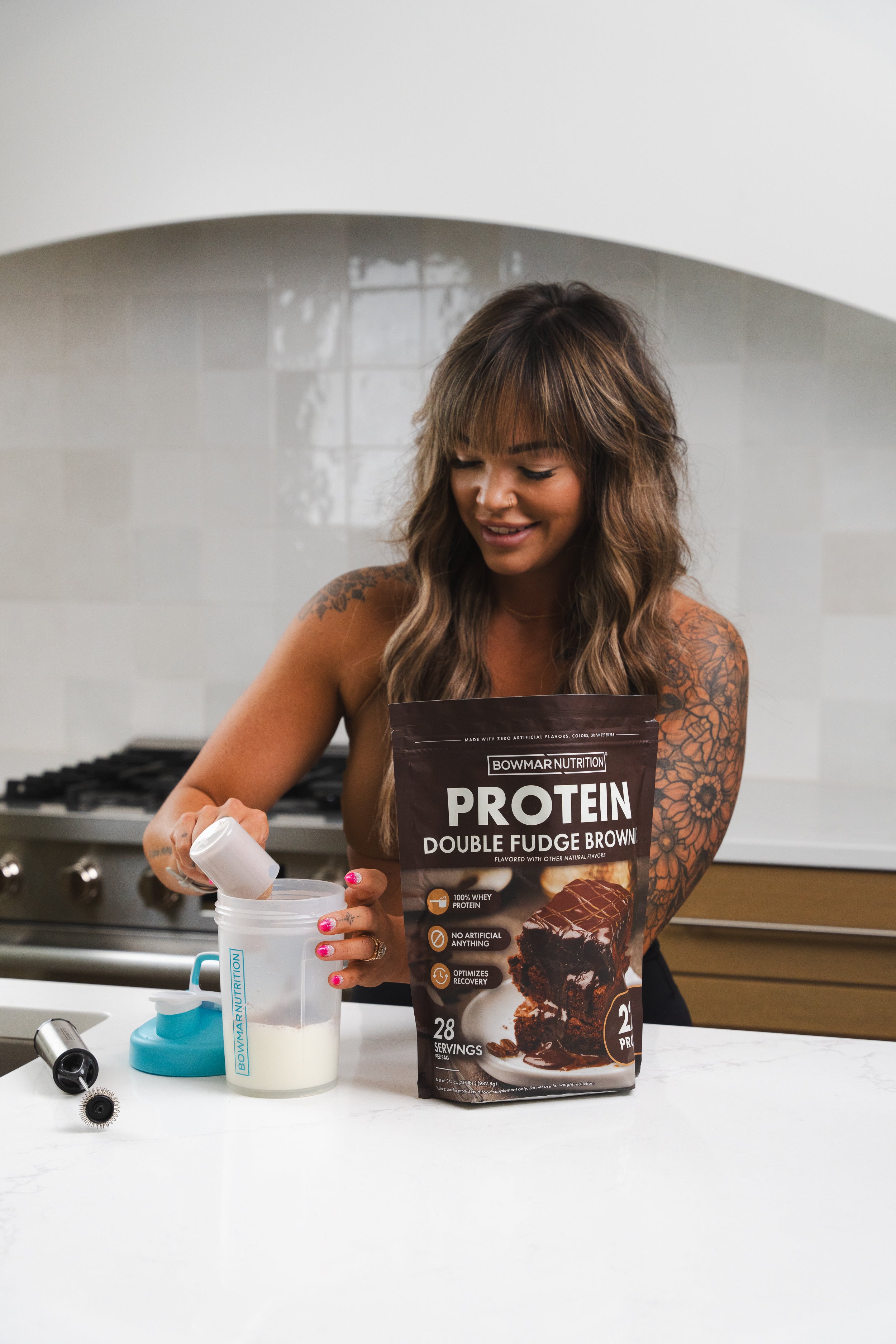
Best Protein Powder for Women: What to Look For

Best Protein Powder for Women: What to Look For

The best protein powder for women is not about choosing a product that is “for women” just because the label says so. It is about choosing a protein powder that fits your daily protein goal, digestion, flavor preferences, fitness routine, and macros.

For most women, that means looking for a protein powder with a solid amount of protein per serving, a macro profile that fits your goal, a taste you will actually use consistently, and a formula that feels good in your routine. If your goal is lean muscle, post-workout recovery, weight management, or simply getting more protein into the day, the right protein powder can make consistency easier.

Quick answer: what should women look for in protein powder?

Look for a protein powder that gives you enough protein per serving, fits your calorie and macro goals, mixes well, tastes good, and works with your digestion. If you are training consistently, protein can help support muscle repair and recovery, especially when paired with strength training and enough total daily protein.

Here is the simple checklist:

  • Protein per serving: Enough to help you reach your daily protein target.
  • Calories, carbs, and fats: A profile that fits your goal, whether that is fat loss, maintenance, or muscle gain.
  • Digestive fit: Consider lactose, serving size, sweeteners, and how the shake feels for you.
  • Flavor and mix-ability: If it tastes good and mixes well, you are more likely to use it consistently.
  • Goal fit: Choose based on whether you want daily protein support, lean muscle, workout recovery, or a convenient snack option.

How much protein do active women need?

Protein needs depend on your body size, activity level, training style, and goals. The general Recommended Dietary Allowance for healthy adults is 0.8 grams of protein per kilogram of body weight per day, but that baseline is not designed specifically for active people or people training for body composition goals.

For people who exercise regularly, protein needs are often higher. The International Society of Sports Nutrition states that exercising individuals may benefit from about 1.4 to 2.0 grams of protein per kilogram of body weight per day depending on training type, intensity, and goals (Journal of the International Society of Sports Nutrition).

That is where protein powder can be helpful. It is not magic, and it does not replace a balanced diet. It is simply a convenient way to help close the gap between the protein you are already getting from food and the amount you are trying to hit each day.

If you are not sure where to start, use a macro calculator to estimate your daily calories and macros. Then choose a protein powder that helps you meet your target without making the rest of your day harder to plan.

What to compare before choosing a protein powder

The best protein powder is the one that fits your actual life. Before buying, compare the things that affect your day-to-day consistency: protein, calories, carbs, fats, digestion, flavor, and how easy it is to mix.

What to compare

Why it matters

What to look for

Protein per serving

Helps you hit your daily protein target

A serving size that fits meals, snacks, or post-workout use

Calories

Matters for fat loss, maintenance, and muscle gain

A calorie amount that fits your goal

Carbs and fats

Affects how the shake fits your macros

Lower-carb or lower-fat options if you are watching macros

Lactose & dairy fit

Can affect comfort for sensitive users

A protein powder that fits your tolerance

Flavor

Makes consistency easier

Flavors you can use in shakes, coffee, oatmeal, or recipes

Mix-ability

Improves convenience

A powder that mixes smoothly without turning into a chore

Best protein powder for lean muscle

If your goal is lean muscle, your protein powder should support your overall protein intake and training routine. The most important pieces are consistent strength training, enough total daily protein, enough calories for your goal, and recovery.

Whey protein is a popular option because it is convenient and contains essential amino acids. Research reviews have found that protein consumed before or after training can increase muscle protein synthesis, and whey protein has been shown to stimulate muscle protein synthesis after exercise (Frontiers in Nutrition).

For lean muscle, look for:

  • A strong protein-to-calorie ratio.
  • A flavor you will use consistently.
  • A serving size that fits your daily protein target.
  • A powder you can use after workouts or as part of a meal.

Best protein powder for weight management

If your goal is weight management, protein powder should fit into your calorie and macro plan. It should not be treated as a shortcut or a replacement for the basics. The goal is to make it easier to hit your protein target while staying consistent with your overall nutrition.

A lower-carb or lower-fat protein powder may be helpful if you are trying to fit protein into a calorie deficit. That does not mean carbs or fats are bad. It simply means the protein powder should make your plan easier, not harder.

Good use cases include:

  • A protein shake when you are short on protein for the day.
  • Protein coffee in the morning.
  • A smoothie that fits your macros.
  • Protein oatmeal or protein snacks.
  • A post-workout shake when you need something convenient.

If you are using protein powder for weight management, pair it with a clear macro target. That helps you avoid guessing and gives you a better way to decide whether a product fits your day.

Best protein powder for workout recovery

Protein after a workout can be useful because training creates a demand for repair and remodeling. Your body needs amino acids to support that process, and protein powder is one of the easiest ways to get them quickly.

That does not mean you have to drink a shake the second your workout ends. Total daily protein matters most. But if a post-workout shake helps you stay consistent, it can be a smart routine.

For recovery, look for a powder that:

  • Mixes quickly when you are busy.
  • Provides enough protein to support your daily target.
  • Tastes good with water, milk, or in a smoothie.
  • Does not feel too heavy after training.

Whey protein vs. plant protein: which is better?

Whey and plant protein can both fit different goals. Whey protein comes from dairy and is commonly used for muscle support, recovery, and daily protein intake. Plant protein can be a good fit for people who avoid dairy or prefer vegan options.

The best choice depends on your dietary preferences, digestion, and goals. If you tolerate dairy and want a smooth, flavor-forward protein option, whey can be a strong fit. If you avoid dairy entirely, plant protein may be the better route.

If you are comparing whey protein, collagen, and plant protein, remember that they are not all the same type of product. Whey is typically used to help increase daily protein intake and support muscle recovery, while collagen is more often used for skin, hair, nails, joints, and connective tissue support. That comparison deserves its own guide, so link to a future “collagen vs. whey protein” post once it is published.

What about protein powder without bloating?

If protein shakes have made you feel bloated in the past, do not ignore that. The issue may be the serving size, lactose level, sweeteners, mixing method, or simply how fast you drink it.

Because whey comes from dairy, lactose can matter for some users. Research on dairy intolerance notes that lactose can ferment in the large intestine and contribute to gastrointestinal symptoms in lactose-intolerant individuals, even though milk protein digestion itself may not be significantly impaired (European Journal of Clinical Nutrition).

If bloating is a concern, look for:

  • A protein powder that fits your lactose tolerance.
  • A serving size you can build up to gradually.
  • A formula that mixes well.
  • A flavor you can drink with water if milk feels too heavy.
  • A routine where you drink it slowly instead of chugging it.

This is also why “protein powder without bloating” is not just about the product. It is about the product, serving size, liquid, timing, and your personal tolerance.

Easy ways to use protein powder consistently

Protein powder is easiest to stick with when it fits foods and drinks you already enjoy. A shake is the obvious option, but it is not the only one.

Try using protein powder in:

  • Shakes with water, milk, or milk alternatives.
  • Smoothies with fruit and ice.
  • Coffee or iced coffee.
  • Oatmeal
  • Yogurt bowls.
  • Protein pancakes.
  • Protein muffins or brownies.
  • Quick high-protein snacks.

The goal is to make protein easier, not more complicated. If one method feels boring, rotate flavors and formats so you do not burn out.

Why Bowmar Whey Protein fits this checklist

Bowmar Whey Protein is built for people who want a protein powder that fits their macros and tastes good enough to use consistently. The product is positioned as a high-quality, low-temperature processed protein powder with more flavor options than typical chocolate and vanilla, and Bowmar’s product copy also describes it as low in lactose, low-fat, and low-carb (Bowmar Nutrition Whey Protein).

Current flavor options include everyday staples and dessert-style choices, including Vanilla Bean, Strawberry Milkshake, Hot Chocolate, Mint Chocolate Chip, and Double Fudge Brownie. That variety matters because the best protein powder is the one you can see yourself using again and again.

Bowmar Whey Protein can fit several routines:

  • Use it after workouts for a quick protein option.
  • Add it to coffee or smoothies.
  • Mix it into oatmeal.
  • Use dessert-inspired flavors in protein recipes.
  • Keep it on hand when you need an easy way to hit your protein goal.

If you want a protein powder that fits lean muscle, weight management, recovery, or daily protein goals, Bowmar Whey Protein is a strong place to start.

Shop Bowmar Whey Protein

FAQ

Is protein powder good for women?

Protein powder can be a convenient option for women who want help meeting their daily protein target. It is especially useful for busy schedules, strength training, post-workout routines, and macro tracking. It should supplement a balanced diet rather than replace whole foods entirely.

What is the best protein powder for lean muscle?

The best protein powder for lean muscle is one that helps you consistently reach your daily protein target while fitting your calories, macros, and digestion. Whey protein is a common choice because it is convenient and supports post-workout protein intake.

Is low-carb protein powder better for weight loss?

Low-carb protein powder is not automatically better for weight loss, but it can be helpful if it fits your calorie deficit and macro goals. Weight management still depends on overall consistency, calorie intake, training, sleep, and daily habits.

Should women drink protein before or after a workout?

Either can work. Total daily protein is the foundation, but protein around workouts can help support muscle protein synthesis and recovery (Frontiers in Nutrition). Choose the timing that is easiest for you to repeat consistently.

Can protein powder replace a meal?

Protein powder can be part of a meal or snack, but it is usually best used alongside other foods. For example, you might blend it into a smoothie with fruit, mix it into oatmeal, or pair it with a balanced meal when you need extra protein.

What protein powder is best if shakes make me bloated?

Start by checking lactose level, serving size, sweeteners, and mix-ability. You can also try using more liquid, drinking slowly, mixing with water instead of milk, or starting with a smaller serving. If discomfort continues, stop using the product and talk with a healthcare professional.

Final takeaway

The best protein powder for women is the one that supports your goals and fits your real routine. Look for protein per serving, macro fit, flavor, mix-ability, and digestive comfort. Then use it consistently in a way that makes your day easier.

If you want a low-carb, low-fat whey protein with a wide range of flavors, start with Bowmar Whey Protein and choose the flavor that fits your routine.

Shop Bowmar Whey Protein

The best protein powder for women is not about choosing a product that is “for women” just because the label says so. It is about choosing a protein powder that fits your daily protein goal, digestion, flavor preferences, fitness routine, and macros.

For most women, that means looking for a protein powder with a solid amount of protein per serving, a macro profile that fits your goal, a taste you will actually use consistently, and a formula that feels good in your routine. If your goal is lean muscle, post-workout recovery, weight management, or simply getting more protein into the day, the right protein powder can make consistency easier.

Quick answer: what should women look for in protein powder?

Look for a protein powder that gives you enough protein per serving, fits your calorie and macro goals, mixes well, tastes good, and works with your digestion. If you are training consistently, protein can help support muscle repair and recovery, especially when paired with strength training and enough total daily protein.

Here is the simple checklist:

  • Protein per serving: Enough to help you reach your daily protein target.
  • Calories, carbs, and fats: A profile that fits your goal, whether that is fat loss, maintenance, or muscle gain.
  • Digestive fit: Consider lactose, serving size, sweeteners, and how the shake feels for you.
  • Flavor and mix-ability: If it tastes good and mixes well, you are more likely to use it consistently.
  • Goal fit: Choose based on whether you want daily protein support, lean muscle, workout recovery, or a convenient snack option.

How much protein do active women need?

Protein needs depend on your body size, activity level, training style, and goals. The general Recommended Dietary Allowance for healthy adults is 0.8 grams of protein per kilogram of body weight per day, but that baseline is not designed specifically for active people or people training for body composition goals.

For people who exercise regularly, protein needs are often higher. The International Society of Sports Nutrition states that exercising individuals may benefit from about 1.4 to 2.0 grams of protein per kilogram of body weight per day depending on training type, intensity, and goals (Journal of the International Society of Sports Nutrition).

That is where protein powder can be helpful. It is not magic, and it does not replace a balanced diet. It is simply a convenient way to help close the gap between the protein you are already getting from food and the amount you are trying to hit each day.

If you are not sure where to start, use a macro calculator to estimate your daily calories and macros. Then choose a protein powder that helps you meet your target without making the rest of your day harder to plan.

What to compare before choosing a protein powder

The best protein powder is the one that fits your actual life. Before buying, compare the things that affect your day-to-day consistency: protein, calories, carbs, fats, digestion, flavor, and how easy it is to mix.

What to compare

Why it matters

What to look for

Protein per serving

Helps you hit your daily protein target

A serving size that fits meals, snacks, or post-workout use

Calories

Matters for fat loss, maintenance, and muscle gain

A calorie amount that fits your goal

Carbs and fats

Affects how the shake fits your macros

Lower-carb or lower-fat options if you are watching macros

Lactose & dairy fit

Can affect comfort for sensitive users

A protein powder that fits your tolerance

Flavor

Makes consistency easier

Flavors you can use in shakes, coffee, oatmeal, or recipes

Mix-ability

Improves convenience

A powder that mixes smoothly without turning into a chore

Best protein powder for lean muscle

If your goal is lean muscle, your protein powder should support your overall protein intake and training routine. The most important pieces are consistent strength training, enough total daily protein, enough calories for your goal, and recovery.

Whey protein is a popular option because it is convenient and contains essential amino acids. Research reviews have found that protein consumed before or after training can increase muscle protein synthesis, and whey protein has been shown to stimulate muscle protein synthesis after exercise (Frontiers in Nutrition).

For lean muscle, look for:

  • A strong protein-to-calorie ratio.
  • A flavor you will use consistently.
  • A serving size that fits your daily protein target.
  • A powder you can use after workouts or as part of a meal.

Best protein powder for weight management

If your goal is weight management, protein powder should fit into your calorie and macro plan. It should not be treated as a shortcut or a replacement for the basics. The goal is to make it easier to hit your protein target while staying consistent with your overall nutrition.

A lower-carb or lower-fat protein powder may be helpful if you are trying to fit protein into a calorie deficit. That does not mean carbs or fats are bad. It simply means the protein powder should make your plan easier, not harder.

Good use cases include:

  • A protein shake when you are short on protein for the day.
  • Protein coffee in the morning.
  • A smoothie that fits your macros.
  • Protein oatmeal or protein snacks.
  • A post-workout shake when you need something convenient.

If you are using protein powder for weight management, pair it with a clear macro target. That helps you avoid guessing and gives you a better way to decide whether a product fits your day.

Best protein powder for workout recovery

Protein after a workout can be useful because training creates a demand for repair and remodeling. Your body needs amino acids to support that process, and protein powder is one of the easiest ways to get them quickly.

That does not mean you have to drink a shake the second your workout ends. Total daily protein matters most. But if a post-workout shake helps you stay consistent, it can be a smart routine.

For recovery, look for a powder that:

  • Mixes quickly when you are busy.
  • Provides enough protein to support your daily target.
  • Tastes good with water, milk, or in a smoothie.
  • Does not feel too heavy after training.

Whey protein vs. plant protein: which is better?

Whey and plant protein can both fit different goals. Whey protein comes from dairy and is commonly used for muscle support, recovery, and daily protein intake. Plant protein can be a good fit for people who avoid dairy or prefer vegan options.

The best choice depends on your dietary preferences, digestion, and goals. If you tolerate dairy and want a smooth, flavor-forward protein option, whey can be a strong fit. If you avoid dairy entirely, plant protein may be the better route.

If you are comparing whey protein, collagen, and plant protein, remember that they are not all the same type of product. Whey is typically used to help increase daily protein intake and support muscle recovery, while collagen is more often used for skin, hair, nails, joints, and connective tissue support. That comparison deserves its own guide, so link to a future “collagen vs. whey protein” post once it is published.

What about protein powder without bloating?

If protein shakes have made you feel bloated in the past, do not ignore that. The issue may be the serving size, lactose level, sweeteners, mixing method, or simply how fast you drink it.

Because whey comes from dairy, lactose can matter for some users. Research on dairy intolerance notes that lactose can ferment in the large intestine and contribute to gastrointestinal symptoms in lactose-intolerant individuals, even though milk protein digestion itself may not be significantly impaired (European Journal of Clinical Nutrition).

If bloating is a concern, look for:

  • A protein powder that fits your lactose tolerance.
  • A serving size you can build up to gradually.
  • A formula that mixes well.
  • A flavor you can drink with water if milk feels too heavy.
  • A routine where you drink it slowly instead of chugging it.

This is also why “protein powder without bloating” is not just about the product. It is about the product, serving size, liquid, timing, and your personal tolerance.

Easy ways to use protein powder consistently

Protein powder is easiest to stick with when it fits foods and drinks you already enjoy. A shake is the obvious option, but it is not the only one.

Try using protein powder in:

  • Shakes with water, milk, or milk alternatives.
  • Smoothies with fruit and ice.
  • Coffee or iced coffee.
  • Oatmeal
  • Yogurt bowls.
  • Protein pancakes.
  • Protein muffins or brownies.
  • Quick high-protein snacks.

The goal is to make protein easier, not more complicated. If one method feels boring, rotate flavors and formats so you do not burn out.

Why Bowmar Whey Protein fits this checklist

Bowmar Whey Protein is built for people who want a protein powder that fits their macros and tastes good enough to use consistently. The product is positioned as a high-quality, low-temperature processed protein powder with more flavor options than typical chocolate and vanilla, and Bowmar’s product copy also describes it as low in lactose, low-fat, and low-carb (Bowmar Nutrition Whey Protein).

Current flavor options include everyday staples and dessert-style choices, including Vanilla Bean, Strawberry Milkshake, Hot Chocolate, Mint Chocolate Chip, and Double Fudge Brownie. That variety matters because the best protein powder is the one you can see yourself using again and again.

Bowmar Whey Protein can fit several routines:

  • Use it after workouts for a quick protein option.
  • Add it to coffee or smoothies.
  • Mix it into oatmeal.
  • Use dessert-inspired flavors in protein recipes.
  • Keep it on hand when you need an easy way to hit your protein goal.

If you want a protein powder that fits lean muscle, weight management, recovery, or daily protein goals, Bowmar Whey Protein is a strong place to start.

Shop Bowmar Whey Protein

FAQ

Is protein powder good for women?

Protein powder can be a convenient option for women who want help meeting their daily protein target. It is especially useful for busy schedules, strength training, post-workout routines, and macro tracking. It should supplement a balanced diet rather than replace whole foods entirely.

What is the best protein powder for lean muscle?

The best protein powder for lean muscle is one that helps you consistently reach your daily protein target while fitting your calories, macros, and digestion. Whey protein is a common choice because it is convenient and supports post-workout protein intake.

Is low-carb protein powder better for weight loss?

Low-carb protein powder is not automatically better for weight loss, but it can be helpful if it fits your calorie deficit and macro goals. Weight management still depends on overall consistency, calorie intake, training, sleep, and daily habits.

Should women drink protein before or after a workout?

Either can work. Total daily protein is the foundation, but protein around workouts can help support muscle protein synthesis and recovery (Frontiers in Nutrition). Choose the timing that is easiest for you to repeat consistently.

Can protein powder replace a meal?

Protein powder can be part of a meal or snack, but it is usually best used alongside other foods. For example, you might blend it into a smoothie with fruit, mix it into oatmeal, or pair it with a balanced meal when you need extra protein.

What protein powder is best if shakes make me bloated?

Start by checking lactose level, serving size, sweeteners, and mix-ability. You can also try using more liquid, drinking slowly, mixing with water instead of milk, or starting with a smaller serving. If discomfort continues, stop using the product and talk with a healthcare professional.

Final takeaway

The best protein powder for women is the one that supports your goals and fits your real routine. Look for protein per serving, macro fit, flavor, mix-ability, and digestive comfort. Then use it consistently in a way that makes your day easier.

If you want a low-carb, low-fat whey protein with a wide range of flavors, start with Bowmar Whey Protein and choose the flavor that fits your routine.

Shop Bowmar Whey Protein

Leave a comment

Please note, comments need to be approved before they are published.

This site is protected by hCaptcha and the hCaptcha Privacy Policy and Terms of Service apply.