


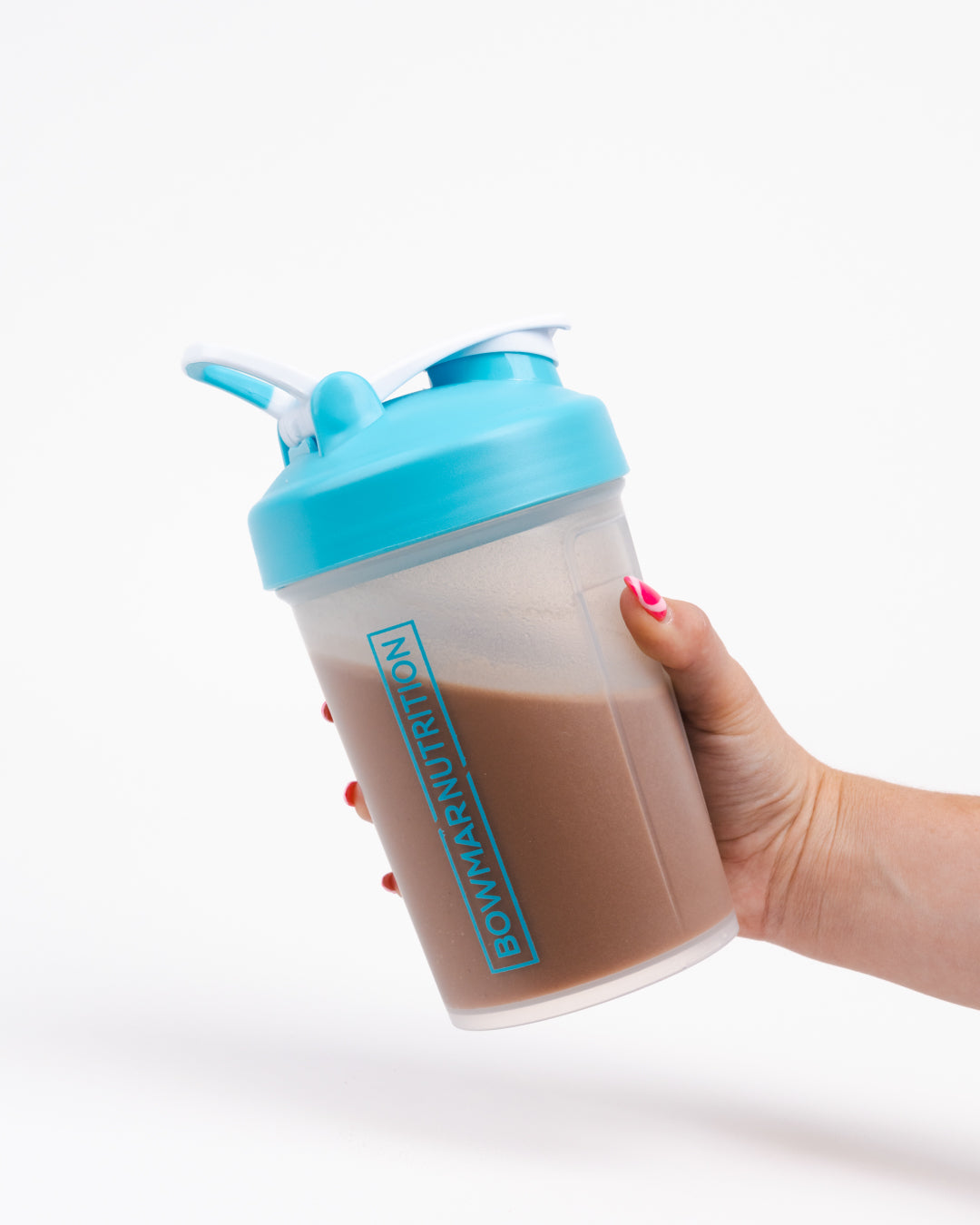
Protein shakes should make hitting your protein goal easier, not leave you feeling heavy, uncomfortable, or bloated. If protein powder has bothered your stomach before, the answer is not always to give up on protein powder completely. The better first step is to figure out what may be causing the issue.
Bloating after a protein shake can come from several things: lactose, serving size, added ingredients, sweeteners, how much liquid you use, how well the powder mixes, and how quickly you drink it. That is why finding a protein powder without bloating is not just about the front label. It is about matching the product and routine to your body.
Quick answer: how do you choose a protein powder that feels lighter?
To choose a protein powder that is less likely to feel heavy, check the lactose level, serving size, ingredient list, sweeteners, mixability, and how you prepare it. Start with a smaller serving if you are sensitive, use enough liquid, shake or blend it thoroughly, and pay attention to how your body responds.
Here is the quick checklist:
- Look for low-lactose positioning if dairy usually bothers you.
- Start with a reasonable serving size instead of jumping into more than your body is used to.
- Use enough liquid so the shake is not too thick.
- Mix it well to avoid clumps and heavy texture.
- Drink slowly instead of chugging.
- Track your personal tolerance because digestion is individual.
Why protein shakes can make some people feel bloated
There is no single reason every person feels bloated after a protein shake. Two people can drink the same shake and have completely different experiences. That is why it helps to look at the most common factors one by one.
Lactose sensitivity
Whey protein comes from dairy, so lactose can be part of the conversation. People who are sensitive to lactose may feel digestive discomfort after consuming products that contain it. Research on dairy intolerance explains that lactose can reach the large intestine and ferment, which may contribute to gastrointestinal symptoms in people with lactose intolerance (European Journal of Clinical Nutrition).
That does not mean whey protein is automatically a problem for everyone. It means lactose level and personal tolerance matter. Some people do better with lower-lactose whey options, while others may need to avoid dairy-based protein entirely.
Serving size
Sometimes the issue is not the protein powder itself. It is the amount. If you go from rarely using protein powder to drinking a large shake every day, your stomach may need time to adjust.
This is especially true if you mix protein powder with a heavy meal, a small amount of liquid, or other ingredients that make the shake thick. A smaller serving can be a better starting point.
Mixing and texture
A poorly mixed shake can feel much heavier than a smooth one. Clumps, thick texture, and not enough liquid can make the shake harder to drink and harder to enjoy.
If mixability matters to you, test your routine. Try a shaker bottle, blender, more liquid, or a different liquid base. Sometimes the difference between “this feels heavy” and “this is easy to drink” is simply preparation.
Sweeteners and added ingredients
Some people are sensitive to certain sweeteners or added ingredients. That does not make those ingredients bad for everyone. It just means your tolerance matters.
If a protein powder makes you feel uncomfortable, look at the full label and compare it to other products you tolerate well. If you have repeated digestive discomfort, stop using the product and talk with a healthcare professional.
Drinking too quickly
Chugging a thick shake can make anyone feel uncomfortable. Try slowing down, using more liquid, and drinking your shake over a few minutes instead of treating it like a race.
This is a simple change, but it can make a big difference for some people.
What to look for in a protein powder without bloating
If bloating is a concern, shop with a checklist instead of guessing. You want a product that fits your goals and your stomach.
|
What to check |
Why it matters |
What to look for |
|
Lactose level |
Lactose may bother sensitive users |
A low-lactose protein powder if dairy comfort matters |
|
Serving size |
Large shakes can feel heavy |
Start with a serving that fits your routine |
|
Liquid amount |
Thick shakes can be harder to drink |
Use enough water, milk, or milk alternative |
|
Mix-ability |
Clumps can make shakes unpleasant |
Choose a powder that mixes smoothly |
|
Sweeteners/Ingredients |
Tolerance varies by person |
Review the label and track what works |
|
Macro profile |
Carbs, fats, and calories affect routine fit |
Choose a formula that supports your goal |
Low-lactose protein powder: who should consider it?
Low-lactose protein powder may be a good fit if you want whey protein but tend to feel uncomfortable with higher-lactose dairy products. It can also be worth considering if you like whey protein for taste, texture, and convenience but want a lighter-feeling option.
Low-lactose does not mean “guaranteed no bloating.” Bloating can have more than one cause. But if lactose is one of your triggers, choosing a lower-lactose whey protein may be a smarter starting point.
Bowmar Whey Protein is positioned as low in lactose and designed so users do not experience indigestion or unwanted bloating, according to Bowmar’s product page (Bowmar Nutrition Whey Protein). The same product page describes it as high-quality, low-temperature processed protein powder that supports muscle growth and recovery and comes in more flavors than typical chocolate and vanilla options (Bowmar Nutrition Whey Protein).
How to make your protein shake easier on your stomach
If protein shakes have felt heavy in the past, try changing the routine before you write them off. Small adjustments can help you figure out what actually works for you.
- Start with a smaller serving. Try half a serving first if you are new to the product or sensitive to shakes.
- Use more liquid. A thinner shake is often easier to drink than a thick one.
- Mix it thoroughly. Use a shaker bottle or blender to reduce clumps.
- Try water instead of milk. If dairy volume bothers you, water may feel lighter.
- Drink it slowly. Give your body time instead of chugging.
- Avoid stacking it with a huge meal at first. Test it on its own or with a lighter snack.
- Track what works. Flavor, liquid, timing, and serving size can all change the experience.
Best ways to use protein powder if shakes feel too heavy
You do not have to drink a big shake every time you use protein powder. If shakes feel heavy, try splitting your serving or using protein powder in foods you already enjoy.
Try these options:
- Mix protein powder into oatmeal.
- Add it to iced coffee or blended coffee.
- Blend it with ice for a lighter smoothie texture.
- Stir it into yogurt.
- Use it in protein pancakes.
- Bake it into muffins, brownies, or other protein snacks.
- Split one serving into two smaller uses during the day.
- Bowmar’s flavor lineup makes this easier because different flavors can fit different uses. Vanilla Bean can work in oatmeal or smoothies, Double Fudge Brownie can work in dessert-style recipes, Strawberry Milkshake can work in blended shakes, and Hot Chocolate can fit warmer drink routines.
Protein powder without bloating vs. lactose-free protein powder
These searches sound similar, but they are not exactly the same.
Protein powder without bloating is a broader goal. The user wants a protein powder and routine that feels comfortable. That may involve lactose, but it may also involve serving size, liquid amount, sweeteners, mixing, and timing.
Lactose-free or low-lactose protein powder is more specific. The user is focused on lactose as the likely issue. If you know dairy bothers you, this may be the more important feature to compare.
For Bowmar, the strongest positioning is low-lactose whey protein that also fits macros, tastes good, and works in multiple routines. That keeps the claim clear without overpromising that no person will ever feel bloated from any shake.
Why Bowmar Whey Protein may be a fit
Bowmar Whey Protein is a good fit for shoppers who want a whey protein that checks several boxes at once: low-lactose positioning, flavor variety, macro-friendly use, and a product that can work in shakes, coffee, oatmeal, smoothies, or recipes.
The product is active in the Bowmar store and currently has 10 flavor variants. In-stock flavors include Hot Chocolate, Mint Chocolate Chip, Double Fudge Brownie, Strawberry Milkshake, Vanilla Bean, and Cookies and Cream. Each variant is priced at $64.99 in the connected Shopify store.
That flavor variety matters for consistency. If one flavor works in your morning coffee and another works in a dessert recipe, protein powder becomes easier to use regularly. Consistency is the real win.
If you have avoided whey because shakes felt heavy, Bowmar Whey Protein is worth considering because it is positioned as low in lactose and built for people who want protein that fits their goals without making the routine complicated.
FAQ
What protein powder is best for bloating?
The best protein powder for bloating depends on why you feel bloated. Start by comparing lactose level, serving size, sweeteners, mix-ability, and how you prepare the shake. A low-lactose protein powder may be a good fit if lactose is one of your triggers.
Is low-lactose protein powder better for digestion?
Low-lactose protein powder may be easier for people who are sensitive to lactose. It is not a guarantee, because digestion is individual and bloating can come from several factors.
Can whey protein cause bloating?
Some people may feel bloated after whey protein, especially if they are sensitive to lactose, use a large serving, drink it too quickly, or mix it with too little liquid. Others tolerate whey protein well.
How do I stop protein shakes from making me bloated?
Try a smaller serving, use more liquid, mix it thoroughly, drink slowly, and test water instead of milk. You can also split one serving into two smaller uses or add protein powder to foods like oatmeal or yogurt instead of drinking a full shake.
Is lactose-free protein powder the same as protein powder without bloating?
Not exactly. Lactose-free or low-lactose protein powder focuses on lactose. Protein powder without bloating is broader and may also involve serving size, preparation, sweeteners, and personal tolerance.
Should I stop using protein powder if it makes me uncomfortable?
If discomfort continues, stop using it and talk with a healthcare professional, especially if symptoms are severe, recurring, or connected to other digestive issues.
Final takeaway
Finding a protein powder without bloating starts with understanding what may be causing the discomfort. Lactose, serving size, liquid amount, mix-ability, sweeteners, and timing can all play a role.
If you want whey protein but prefer a low-lactose option with flavor variety, Bowmar Whey Protein is a strong product to consider. Start with a serving that fits your body, mix it well, and choose a flavor you will actually use consistently.
Share:
Best Protein Powder for Women: What to Look For
When to Take Creatine: Timing, Dosage, and Daily Use