

How to Debloat Naturally

How to Debloat Naturally

That tight, swollen feeling after eating is one of the most common digestive complaints out there, and it is rarely a sign that something is seriously wrong. More often, bloating is your gut’s response to food, habits, or stress, and it usually responds well to a few consistent changes.

Debloating naturally is not about a juice cleanse or skipping meals for a day. It is about understanding what triggers bloating for your body, adjusting a few daily habits, and giving your gut the support it needs to work the way it should.

What causes bloating?

Bloating happens when gas, fluid, or undigested food builds up in your digestive tract. A few of the most common triggers include:

·      Eating too fast: Swallowing air while eating quickly can add to gas and pressure.

·      Low fiber or a sudden increase in fiber: Both too little fiber and adding too much too quickly can lead to bloating.

·      Dehydration: Not drinking enough water can slow digestion and make constipation-related bloating worse.

·      Carbonated drinks and artificial sweeteners: These can increase gas production in the gut.

·      Stress: Your gut and nervous system are closely connected, so stress can directly affect digestion.

·      Inactivity: Sitting for long periods can slow the movement of gas and food through your digestive tract.

Everyone’s triggers are a little different, which is why the most useful first step is paying attention to what your body responds to, rather than following a generic list of “foods to avoid.”

Simple daily habits to debloat naturally

Most natural debloating strategies come down to a handful of repeatable habits:

·      Eat slower. Giving your meal 15-20 minutes instead of rushing it reduces the air you swallow and gives your gut time to signal fullness.

·      Stay consistently hydrated. Water supports regular digestion throughout the day, not just when you feel bloated.

·      Add fiber gradually. Increasing fiber slowly, along with plenty of water, helps you get the regularity benefits without the gas that comes from adding too much too fast.

·      Move after meals. A short walk after eating can help gas move through your system instead of building up.

·      Limit carbonated drinks and sugar alcohols when you’re prone to bloating. These are common, easy-to-fix triggers for a lot of people.

·      Manage stress where you can. Even a few minutes of slower breathing before meals can support better digestion.

None of these habits work like a light switch. They work because they are consistent, which is what actually changes how your gut feels day to day.

When habits alone aren’t enough

Sometimes diet and lifestyle changes help, but you still feel like your gut needs extra support. That is where a gut-support supplement can fit into your routine.

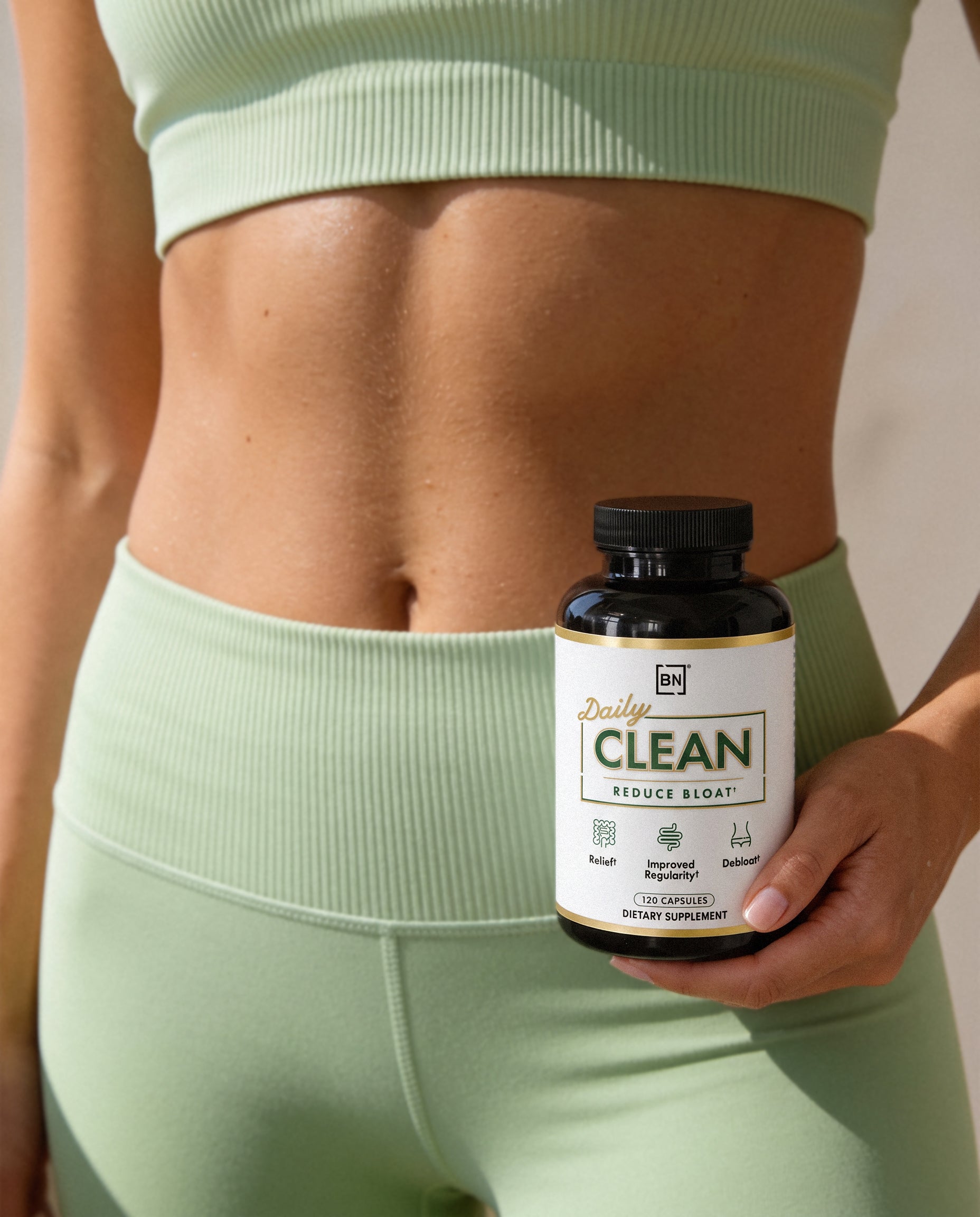
Daily Clean is formulated to help relieve the body of bloating, gas, and constipation while supporting regularity and healthy digestion. It’s meant to work alongside good habits, not replace them, so pair it with the daily habits above rather than expecting it to do all the work on its own.

Fiber and probiotics can also play a role, and the research on each is genuinely encouraging, though not universal:

·      A systematic review published in Alimentary Pharmacology & Therapeutics found moderate evidence that specific probiotics help reduce bloating and distension and improve bowel movement frequency in some people. If you want to try a probiotic, Bowmar Probiotics contains eight strains and 20 billion live cultures per capsule to help foster a balanced gut.

·      A meta-analysis in the American Journal of Clinical Nutrition found that fiber, especially psyllium, improved stool frequency and consistency in adults with constipation, though higher fiber intake was also linked to more flatulence. That is exactly why easing into fiber gradually, like with Bowmar Fiber, matters more than the amount you start with.

The honest takeaway: gut-support supplements can be a helpful part of your routine, but individual results vary, and they work best alongside the daily habits already covered.

Common debloating mistakes

A lot of debloating advice online makes things harder than they need to be. Watch out for these common mistakes:

·      Doing an extreme detox or juice cleanse: These often cause more digestive upset than they solve and are not a sustainable habit.

·      Cutting out entire food groups overnight: Sudden, drastic changes can backfire and make it harder to tell what is actually causing your bloating.

·      Adding fiber too quickly: A fast jump in fiber without enough water is one of the most common causes of new bloating, not less.

·      Expecting overnight results: Digestive habits typically take a couple of weeks of consistency before you notice a real difference.

·      Ignoring stress and sleep: Both affect digestion just as much as food does, and they are easy to overlook.

If you have persistent, severe, or worsening bloating, it is worth talking to a healthcare provider rather than only relying on lifestyle changes, since bloating can sometimes point to something that needs medical attention.

A simple daily routine to debloat naturally

Here is what a realistic, debloating-friendly day could look like:

·      Morning: A glass of water before breakfast and a slower, sit-down meal instead of eating on the go.

·      Midday: Add a fiber-containing food or Bowmar Fiber alongside a full glass of water.

·      Afternoon: A short walk after lunch, even 10 minutes, to help digestion keep moving.

·      Evening: A lighter dinner, minimal carbonated drinks, and Daily Clean if you’re using it to support regularity.

·      Ongoing: Track how you feel over a couple of weeks rather than judging any single day.

This is not a strict protocol. It’s an example of how small, repeatable habits fit together over the course of a normal day.

FAQ

How long does it take to debloat naturally?

Most people notice a difference within one to two weeks of consistent habits. Bloating tied to a single meal usually settles within a day, while ongoing bloating takes longer and more consistent changes to improve.

Can a supplement debloat me on its own?

Not on its own. Supplements like Daily Clean, fiber, and probiotics are meant to support a routine that also includes hydration, movement, and mindful eating, not replace those habits.

Is bloating always about digestion?

Usually, but not always. Hormonal changes, stress, and certain medications can also contribute to bloating. If it’s persistent or paired with other symptoms, check in with a healthcare provider.

What is the easiest habit to start with?

Slowing down while you eat and drinking water consistently throughout the day are the two easiest, lowest-effort places to start.


Ready to feel lighter? Support your gut with Daily Clean, or pair it with Bowmar Fiber and Bowmar Probiotics for a complete gut-health routine.

These statements have not been evaluated by the Food and Drug Administration. This product is not intended to diagnose, treat, cure, or prevent any disease. Individual results may vary.

That tight, swollen feeling after eating is one of the most common digestive complaints out there, and it is rarely a sign that something is seriously wrong. More often, bloating is your gut’s response to food, habits, or stress, and it usually responds well to a few consistent changes.

Debloating naturally is not about a juice cleanse or skipping meals for a day. It is about understanding what triggers bloating for your body, adjusting a few daily habits, and giving your gut the support it needs to work the way it should.

What causes bloating?

Bloating happens when gas, fluid, or undigested food builds up in your digestive tract. A few of the most common triggers include:

·      Eating too fast: Swallowing air while eating quickly can add to gas and pressure.

·      Low fiber or a sudden increase in fiber: Both too little fiber and adding too much too quickly can lead to bloating.

·      Dehydration: Not drinking enough water can slow digestion and make constipation-related bloating worse.

·      Carbonated drinks and artificial sweeteners: These can increase gas production in the gut.

·      Stress: Your gut and nervous system are closely connected, so stress can directly affect digestion.

·      Inactivity: Sitting for long periods can slow the movement of gas and food through your digestive tract.

Everyone’s triggers are a little different, which is why the most useful first step is paying attention to what your body responds to, rather than following a generic list of “foods to avoid.”

Simple daily habits to debloat naturally

Most natural debloating strategies come down to a handful of repeatable habits:

·      Eat slower. Giving your meal 15-20 minutes instead of rushing it reduces the air you swallow and gives your gut time to signal fullness.

·      Stay consistently hydrated. Water supports regular digestion throughout the day, not just when you feel bloated.

·      Add fiber gradually. Increasing fiber slowly, along with plenty of water, helps you get the regularity benefits without the gas that comes from adding too much too fast.

·      Move after meals. A short walk after eating can help gas move through your system instead of building up.

·      Limit carbonated drinks and sugar alcohols when you’re prone to bloating. These are common, easy-to-fix triggers for a lot of people.

·      Manage stress where you can. Even a few minutes of slower breathing before meals can support better digestion.

None of these habits work like a light switch. They work because they are consistent, which is what actually changes how your gut feels day to day.

When habits alone aren’t enough

Sometimes diet and lifestyle changes help, but you still feel like your gut needs extra support. That is where a gut-support supplement can fit into your routine.

Daily Clean is formulated to help relieve the body of bloating, gas, and constipation while supporting regularity and healthy digestion. It’s meant to work alongside good habits, not replace them, so pair it with the daily habits above rather than expecting it to do all the work on its own.

Fiber and probiotics can also play a role, and the research on each is genuinely encouraging, though not universal:

·      A systematic review published in Alimentary Pharmacology & Therapeutics found moderate evidence that specific probiotics help reduce bloating and distension and improve bowel movement frequency in some people. If you want to try a probiotic, Bowmar Probiotics contains eight strains and 20 billion live cultures per capsule to help foster a balanced gut.

·      A meta-analysis in the American Journal of Clinical Nutrition found that fiber, especially psyllium, improved stool frequency and consistency in adults with constipation, though higher fiber intake was also linked to more flatulence. That is exactly why easing into fiber gradually, like with Bowmar Fiber, matters more than the amount you start with.

The honest takeaway: gut-support supplements can be a helpful part of your routine, but individual results vary, and they work best alongside the daily habits already covered.

Common debloating mistakes

A lot of debloating advice online makes things harder than they need to be. Watch out for these common mistakes:

·      Doing an extreme detox or juice cleanse: These often cause more digestive upset than they solve and are not a sustainable habit.

·      Cutting out entire food groups overnight: Sudden, drastic changes can backfire and make it harder to tell what is actually causing your bloating.

·      Adding fiber too quickly: A fast jump in fiber without enough water is one of the most common causes of new bloating, not less.

·      Expecting overnight results: Digestive habits typically take a couple of weeks of consistency before you notice a real difference.

·      Ignoring stress and sleep: Both affect digestion just as much as food does, and they are easy to overlook.

If you have persistent, severe, or worsening bloating, it is worth talking to a healthcare provider rather than only relying on lifestyle changes, since bloating can sometimes point to something that needs medical attention.

A simple daily routine to debloat naturally

Here is what a realistic, debloating-friendly day could look like:

·      Morning: A glass of water before breakfast and a slower, sit-down meal instead of eating on the go.

·      Midday: Add a fiber-containing food or Bowmar Fiber alongside a full glass of water.

·      Afternoon: A short walk after lunch, even 10 minutes, to help digestion keep moving.

·      Evening: A lighter dinner, minimal carbonated drinks, and Daily Clean if you’re using it to support regularity.

·      Ongoing: Track how you feel over a couple of weeks rather than judging any single day.

This is not a strict protocol. It’s an example of how small, repeatable habits fit together over the course of a normal day.

FAQ

How long does it take to debloat naturally?

Most people notice a difference within one to two weeks of consistent habits. Bloating tied to a single meal usually settles within a day, while ongoing bloating takes longer and more consistent changes to improve.

Can a supplement debloat me on its own?

Not on its own. Supplements like Daily Clean, fiber, and probiotics are meant to support a routine that also includes hydration, movement, and mindful eating, not replace those habits.

Is bloating always about digestion?

Usually, but not always. Hormonal changes, stress, and certain medications can also contribute to bloating. If it’s persistent or paired with other symptoms, check in with a healthcare provider.

What is the easiest habit to start with?

Slowing down while you eat and drinking water consistently throughout the day are the two easiest, lowest-effort places to start.


Ready to feel lighter? Support your gut with Daily Clean, or pair it with Bowmar Fiber and Bowmar Probiotics for a complete gut-health routine.

These statements have not been evaluated by the Food and Drug Administration. This product is not intended to diagnose, treat, cure, or prevent any disease. Individual results may vary.

Leave a comment

Please note, comments need to be approved before they are published.

This site is protected by hCaptcha and the hCaptcha Privacy Policy and Terms of Service apply.