

Immune Boosting Habits to Keep Student Athletes Healthy All Season

Immune Boosting Habits to Keep Student Athletes Healthy All Season

Why Student Athletes Get Sick More Than Other Kids in the Fall

There is a reason the nurse's office fills up every September: a student athlete is being hit from multiple directions at once. School restarts and puts a room full of kids back in close contact after a summer apart, sleep schedules shift earlier while homework and practice both ramp up, travel to away games means new environments and new exposure, and hard training itself temporarily stresses the immune system in the hours after intense exercise. None of that means getting sick is inevitable, but it does mean the fall sports season is exactly when immune supportive habits matter most, not a coincidence to shrug off.

Sleep Is the Single Biggest Immune Lever

Of everything that affects how often a student gets sick, sleep is consistently one of the strongest factors, and it is also one of the first things to get sacrificed once practice, homework, and a social life are all competing for the same hours. Teenagers generally need 8 to 10 hours a night, and research on sleep and immune function consistently shows that people who are chronically short on sleep catch more colds and recover from them more slowly. A late practice followed by hours of homework is a rough combination during a busy season, but protecting even an extra 30 to 45 minutes of sleep on school nights can make a real difference over a full season. Coaches who build in slightly later start times or lighter loads during exam weeks or stretches with heavy travel are often making the same trade off in the other direction, protecting recovery because they know it pays off in fewer missed practices from illness.

Nutrition Basics That Support Immune Function

No single food or nutrient prevents illness, but a handful of nutrients consistently show up in immune health research: vitamin C (citrus fruit, bell peppers, strawberries), zinc (meat, beans, nuts, seeds), vitamin D (sunlight, fortified milk, fatty fish), and protein, which is needed to build the antibodies and immune cells that fight off illness in the first place. Just as important as any single nutrient is simply eating enough. A student who is under fueled from a heavy training and school schedule is working with less raw material for their immune system to draw on, on top of everything else their body is trying to recover from. Fruits and vegetables in a range of colors are a simple, practical way to cover several of these nutrients at once without needing to track any of them individually: a lunch or dinner plate with at least one colorful fruit or vegetable most days goes a long way over the course of a season.

Hand Hygiene and Shared Equipment Still Matter

It sounds basic, but locker rooms, shared water bottles, team huddles, and bus rides for away games are genuinely efficient ways for illness to spread through a team. Regular hand washing (or hand sanitizer when a sink isn't available), not sharing water bottles or towels, and wiping down shared equipment when possible all meaningfully reduce how fast something spreads once it enters a locker room. This matters even more on travel weekends, when a team is eating, sleeping, and riding together for extended stretches.

Managing Stress and Overtraining

Chronic stress and overtraining both suppress immune function, and the start of a school year often stacks both at once: new classes, new social pressures, and a jump in training volume all at the same time. Building in genuine rest days, not just lighter practice days, gives the body a real chance to recover rather than staying in a constant state of low grade stress. Athletes who feel run down, unusually fatigued, or who are getting sick repeatedly over a short stretch may be dealing with overtraining rather than bad luck, and that is worth a conversation with a coach or athletic trainer about adjusting the training load. It is also worth remembering that a student balancing multiple sports, a job, or a heavy course load is managing a bigger total stress load than training volume alone suggests, and all of it draws from the same recovery capacity.

What to Do at the First Sign of Getting Sick

Catching an illness early and resting rather than pushing through a practice tends to shorten how long it lasts and lowers the odds of spreading it to teammates. General guidance many athletic trainers use: symptoms above the neck (mild congestion, sore throat) may be okay for light activity if a student feels up to it, while symptoms below the neck (fever, body aches, chest congestion, upset stomach) are a signal to rest and see a doctor if they don't improve. When in doubt, checking with a school athletic trainer or pediatrician before returning to full training is always the safer call.

Building an Immune Supportive Routine All Season

  • Protect a consistent sleep window, even on late practice or homework heavy nights.

  • Eat regular, balanced meals rather than skipping food during a busy day.

  • Keep a water bottle personal, no sharing during practice or travel.

  • Wash hands regularly, especially after practice and before eating.

  • Build at least one full rest day into the training week.

  • Rest at the first sign of illness rather than pushing through a practice.

Travel Days Need Extra Attention

Travel days deserve their own mention. Away games and tournaments mean unfamiliar food, disrupted sleep, and closer quarters with teammates for extended stretches, all of which raise the odds of picking something up. Packing familiar snacks that are easy to digest, keeping to as close to a normal bedtime as the schedule allows, and staying diligent about hand hygiene on the bus or in a hotel all help offset the extra exposure that comes with travel.

Where Immunity Support Fits In

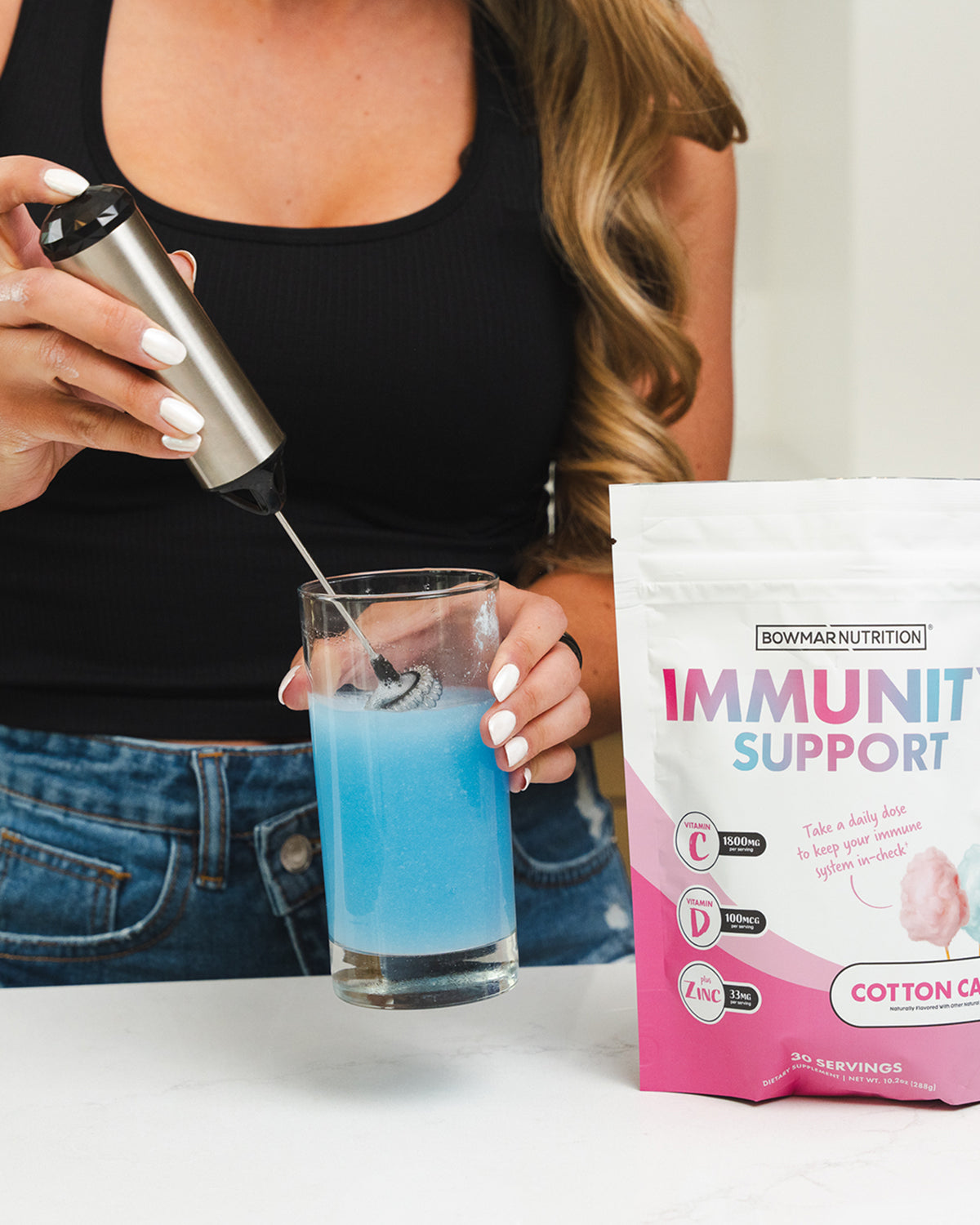
Sleep, nutrition, hygiene, and sensible training loads are the foundation of staying healthy through a season, and no product replaces any of them. For families looking for extra support on top of those habits, Bowmar Immunity Support ($34.99) is a daily blend of vitamins, minerals, and antioxidants that mixes easily and is formulated to support the immune system, available in Orange and Cotton Candy flavors, and works well stirred into water on its own or paired with another Bowmar product. As with any supplement, it is meant to support the fundamentals above, not replace them.

If a child has a fever, is significantly unwell, or symptoms persist or worsen, see a doctor rather than relying on supplements or continuing to train. These statements have not been evaluated by the Food and Drug Administration. This product is not intended to diagnose, treat, cure, or prevent any disease.

Frequently Asked Questions

Why do student athletes seem to get sick more at the start of the school year?

A combination of factors hits at once: closer contact with classmates after summer, shifting sleep schedules, ramped up training volume, and travel for games, all of which put extra strain on the immune system during the same few weeks.

How much does sleep really affect getting sick?

Quite a bit. Research consistently links insufficient sleep to catching more colds and recovering more slowly. Protecting a consistent 8 to 10 hour sleep window is one of the most effective things a student athlete can do to stay healthy during a busy season.

Should my child practice or play if they're feeling a little sick?

A common general guideline is that mild symptoms above the neck, like slight congestion, may be okay for light activity if the athlete feels up to it, while fever, body aches, or chest symptoms call for rest. When in doubt, check with an athletic trainer or pediatrician before returning to full training.

What foods support immune health for young athletes?

Fruits and vegetables rich in vitamin C, zinc from meat, beans, and seeds, vitamin D from sunlight and fortified foods, and adequate overall protein and calories all support normal immune function as part of a balanced diet.

Is an immune supplement necessary for a student athlete?

Not necessarily. Sleep, nutrition, hygiene, and sensible training loads are the real foundation of staying healthy through a season. A daily immune support product can be a helpful addition on top of those habits, but it does not replace them.


Why Student Athletes Get Sick More Than Other Kids in the Fall

There is a reason the nurse's office fills up every September: a student athlete is being hit from multiple directions at once. School restarts and puts a room full of kids back in close contact after a summer apart, sleep schedules shift earlier while homework and practice both ramp up, travel to away games means new environments and new exposure, and hard training itself temporarily stresses the immune system in the hours after intense exercise. None of that means getting sick is inevitable, but it does mean the fall sports season is exactly when immune supportive habits matter most, not a coincidence to shrug off.

Sleep Is the Single Biggest Immune Lever

Of everything that affects how often a student gets sick, sleep is consistently one of the strongest factors, and it is also one of the first things to get sacrificed once practice, homework, and a social life are all competing for the same hours. Teenagers generally need 8 to 10 hours a night, and research on sleep and immune function consistently shows that people who are chronically short on sleep catch more colds and recover from them more slowly. A late practice followed by hours of homework is a rough combination during a busy season, but protecting even an extra 30 to 45 minutes of sleep on school nights can make a real difference over a full season. Coaches who build in slightly later start times or lighter loads during exam weeks or stretches with heavy travel are often making the same trade off in the other direction, protecting recovery because they know it pays off in fewer missed practices from illness.

Nutrition Basics That Support Immune Function

No single food or nutrient prevents illness, but a handful of nutrients consistently show up in immune health research: vitamin C (citrus fruit, bell peppers, strawberries), zinc (meat, beans, nuts, seeds), vitamin D (sunlight, fortified milk, fatty fish), and protein, which is needed to build the antibodies and immune cells that fight off illness in the first place. Just as important as any single nutrient is simply eating enough. A student who is under fueled from a heavy training and school schedule is working with less raw material for their immune system to draw on, on top of everything else their body is trying to recover from. Fruits and vegetables in a range of colors are a simple, practical way to cover several of these nutrients at once without needing to track any of them individually: a lunch or dinner plate with at least one colorful fruit or vegetable most days goes a long way over the course of a season.

Hand Hygiene and Shared Equipment Still Matter

It sounds basic, but locker rooms, shared water bottles, team huddles, and bus rides for away games are genuinely efficient ways for illness to spread through a team. Regular hand washing (or hand sanitizer when a sink isn't available), not sharing water bottles or towels, and wiping down shared equipment when possible all meaningfully reduce how fast something spreads once it enters a locker room. This matters even more on travel weekends, when a team is eating, sleeping, and riding together for extended stretches.

Managing Stress and Overtraining

Chronic stress and overtraining both suppress immune function, and the start of a school year often stacks both at once: new classes, new social pressures, and a jump in training volume all at the same time. Building in genuine rest days, not just lighter practice days, gives the body a real chance to recover rather than staying in a constant state of low grade stress. Athletes who feel run down, unusually fatigued, or who are getting sick repeatedly over a short stretch may be dealing with overtraining rather than bad luck, and that is worth a conversation with a coach or athletic trainer about adjusting the training load. It is also worth remembering that a student balancing multiple sports, a job, or a heavy course load is managing a bigger total stress load than training volume alone suggests, and all of it draws from the same recovery capacity.

What to Do at the First Sign of Getting Sick

Catching an illness early and resting rather than pushing through a practice tends to shorten how long it lasts and lowers the odds of spreading it to teammates. General guidance many athletic trainers use: symptoms above the neck (mild congestion, sore throat) may be okay for light activity if a student feels up to it, while symptoms below the neck (fever, body aches, chest congestion, upset stomach) are a signal to rest and see a doctor if they don't improve. When in doubt, checking with a school athletic trainer or pediatrician before returning to full training is always the safer call.

Building an Immune Supportive Routine All Season

  • Protect a consistent sleep window, even on late practice or homework heavy nights.

  • Eat regular, balanced meals rather than skipping food during a busy day.

  • Keep a water bottle personal, no sharing during practice or travel.

  • Wash hands regularly, especially after practice and before eating.

  • Build at least one full rest day into the training week.

  • Rest at the first sign of illness rather than pushing through a practice.

Travel Days Need Extra Attention

Travel days deserve their own mention. Away games and tournaments mean unfamiliar food, disrupted sleep, and closer quarters with teammates for extended stretches, all of which raise the odds of picking something up. Packing familiar snacks that are easy to digest, keeping to as close to a normal bedtime as the schedule allows, and staying diligent about hand hygiene on the bus or in a hotel all help offset the extra exposure that comes with travel.

Where Immunity Support Fits In

Sleep, nutrition, hygiene, and sensible training loads are the foundation of staying healthy through a season, and no product replaces any of them. For families looking for extra support on top of those habits, Bowmar Immunity Support ($34.99) is a daily blend of vitamins, minerals, and antioxidants that mixes easily and is formulated to support the immune system, available in Orange and Cotton Candy flavors, and works well stirred into water on its own or paired with another Bowmar product. As with any supplement, it is meant to support the fundamentals above, not replace them.

If a child has a fever, is significantly unwell, or symptoms persist or worsen, see a doctor rather than relying on supplements or continuing to train. These statements have not been evaluated by the Food and Drug Administration. This product is not intended to diagnose, treat, cure, or prevent any disease.

Frequently Asked Questions

Why do student athletes seem to get sick more at the start of the school year?

A combination of factors hits at once: closer contact with classmates after summer, shifting sleep schedules, ramped up training volume, and travel for games, all of which put extra strain on the immune system during the same few weeks.

How much does sleep really affect getting sick?

Quite a bit. Research consistently links insufficient sleep to catching more colds and recovering more slowly. Protecting a consistent 8 to 10 hour sleep window is one of the most effective things a student athlete can do to stay healthy during a busy season.

Should my child practice or play if they're feeling a little sick?

A common general guideline is that mild symptoms above the neck, like slight congestion, may be okay for light activity if the athlete feels up to it, while fever, body aches, or chest symptoms call for rest. When in doubt, check with an athletic trainer or pediatrician before returning to full training.

What foods support immune health for young athletes?

Fruits and vegetables rich in vitamin C, zinc from meat, beans, and seeds, vitamin D from sunlight and fortified foods, and adequate overall protein and calories all support normal immune function as part of a balanced diet.

Is an immune supplement necessary for a student athlete?

Not necessarily. Sleep, nutrition, hygiene, and sensible training loads are the real foundation of staying healthy through a season. A daily immune support product can be a helpful addition on top of those habits, but it does not replace them.


Leave a comment

Please note, comments need to be approved before they are published.

This site is protected by hCaptcha and the hCaptcha Privacy Policy and Terms of Service apply.