


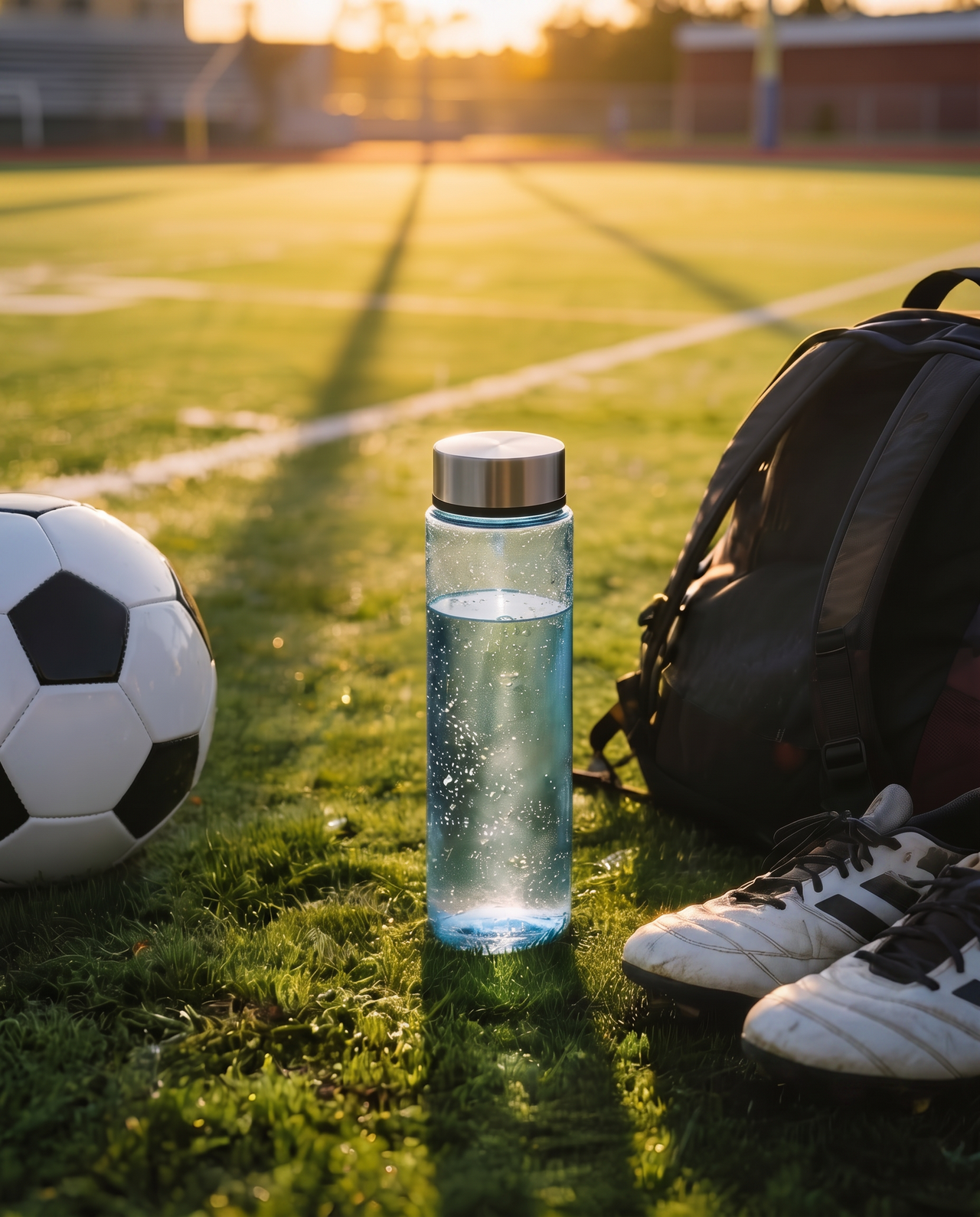
Late Summer Practices Are a Perfect Storm for Dehydration
Preseason and the first few weeks of school sports tend to line up with the hottest stretch of the year, which is exactly when hydration mistakes are most costly. A student athlete is often training twice a day (a morning conditioning session and an afternoon or evening practice) while also adjusting to a new school schedule, new sleep patterns, and, for a lot of kids, a general habit of not drinking much water during the school day to begin with. Add heat and two workouts on top of that, and even a small hydration gap can turn into a real problem by the second practice.
The tricky part is that thirst is a lagging indicator. By the time a student feels thirsty, they are often already a percent or two down on fluid, which is enough to measurably affect focus, reaction time, and endurance. Waiting to drink until practice already feels hard is starting from behind.
Heat Acclimatization Takes About Two Weeks
Part of why the first week or two of preseason feels so much harder than the rest of the season is that the body has not yet adapted to training in the heat. Heat acclimatization, the process of the body getting better at cooling itself and conserving electrolytes, typically takes 10 to 14 days of consistent exposure to build. Most heat illness cases in youth and high school sports cluster in that early window, which is exactly why hydration habits matter most in the first two weeks of a season, not just on the hottest day of August. Many school and state athletic associations have specific acclimatization guidelines, such as limiting full pads or gradually increasing practice length in the first week; following those guidelines alongside good hydration habits is one of the most effective ways to lower the risk of heat illness during this stretch.
How Much Water Does a Student Athlete Actually Need?
General guidance for active teens is roughly half an ounce to an ounce of water per pound of body weight per day as a baseline, with more added on training days. An athlete who weighs 130 pounds, for example, might land somewhere around 65 to 100+ ounces on a normal day, and noticeably more on a day with two practices. During exercise itself, a common target is about 7 to 10 ounces of fluid every 20 minutes of activity, though this varies with heat, sweat rate, and individual differences, which is exactly why an athletic trainer or team physician's guidance should take priority over any general number for a specific athlete, especially one with a known medical condition.
What matters more than hitting an exact number is the pattern: steady sipping throughout the day and during practice, rather than chugging a bottle right before warmups and calling it done. A student who shows up to a 3 p.m. practice already behind on fluids from the school day is fighting an uphill battle that no amount of water on the field can fully fix.
Signs of Dehydration Every Parent and Coach Should Know
Mild dehydration is easy to miss because it looks a lot like normal fatigue. The signs worth watching for include a headache, dizziness, unusually dark yellow urine, muscle cramping, a drop in performance partway through practice, or a kid who seems irritable or foggy for no obvious reason. More serious signs (confusion, no sweating despite heat and exertion, nausea, or a rapid heartbeat) are signs of heat illness and need immediate attention: get the athlete into shade or air conditioning, cool them down, and seek medical care right away rather than waiting to see if it passes.
What Belongs in a Real Hydration Plan
Water covers most of the job most of the time, but a full hydration plan for a day with two practices usually has three parts: water for baseline fluid, electrolytes (sodium in particular) to replace what is lost through sweat during long or hot sessions, and food, since meals and snacks contribute a meaningful amount of both fluid and sodium across the day. For a practice under about 60 to 90 minutes in moderate conditions, plain water is usually enough. For longer sessions, days with two practices, or genuinely hot and humid conditions, adding electrolytes becomes more useful, since sweat carries out sodium and other minerals that water alone does not replace. Coconut water, a pinch of salt in a water bottle, or an electrolyte tablet are all reasonable ways to add sodium without relying on a sugary sports drink as the only option.
Building a Hydration Schedule for a Two Practice Day
A simple schedule for a training day with a morning and an afternoon session might look like this: 16 to 20 ounces of water within an hour of waking up, steady sipping through the morning session with electrolytes if it is hot or long, a real lunch with fluids and some sodium (a sandwich, pretzels, or soup all count), continued sipping through the afternoon before the second practice, electrolytes again during that session, and a fuller rehydration push (plain water plus a snack or meal with sodium) through the evening. Weighing in before and after a hard practice, if a scale is available, is one of the most reliable ways to see how much fluid a specific athlete actually loses; a pound of body weight lost during exercise is roughly 16 ounces of sweat that needs replacing.
What About Sports Drinks and Electrolyte Products?
Not every practice needs a sports drink or electrolyte mix. Plenty of shorter, cooler sessions are covered fine by water and a normal diet. Electrolyte products earn their place on the longer, hotter, or higher intensity days: days with two practices, tournament weekends, or preseason conditioning in August heat. When comparing options, sodium content is the number worth checking first, since that is the primary electrolyte lost in sweat, followed by potassium and magnesium. A product that is mostly sugar with a small amount of electrolytes added is closer to a flavored drink than a real hydration tool.
Hydrating During the School Day, Not Just at Practice
A water bottle habit built during the school day, not just at practice, closes a big part of the hydration gap before an athlete even steps on the field. Most schools allow a personal water bottle in class, and a student who refills it once or twice between periods arrives at practice already ahead instead of already behind. Setting a simple rule, such as refill at lunch and refill before the last class of the day, turns hydration into something that happens automatically rather than something a coach has to remind a team about at 3:15 every afternoon.
A Simple Water Bottle Setup That Actually Gets Used
-
A large (24 to 32 ounce) insulated bottle that survives a full day in a locker without warming up.
-
A second bottle or a refill station on the field for days with two practices, so there's no gap while one bottle is empty.
-
An electrolyte packet or two kept in a backpack for hot or long sessions.
-
A permanent marker or timeline sticker on the bottle as a visual reminder to keep drinking through the day.
-
A backup plan for away games or tournaments where water fountains may not be reliably available.
Where Essentials EAA Fits In
For high school and adult athletes training through two practice days, Bowmar Essentials EAA ($39.99) is an amino acid formula containing all nine essential amino acids, which supports muscle recovery and helps curb fatigue during a long training day when sipped alongside water and, on hot or long sessions, an electrolyte source like a pinch of salt or an electrolyte tablet. It is formulated for the older teen and adult athlete rather than a young or recreational player who is training once a day. For younger athletes, water plus a normal, balanced diet with occasional fruit or a light sports drink during genuinely long or hot sessions is the right starting point, with anything more structured added only after talking to a coach, athletic trainer, or pediatrician.
Any competitive athlete should check their school or sport's governing body rules before adding a new supplement to their routine, and should talk to a doctor or athletic trainer first, especially if they have any underlying health condition. These statements have not been evaluated by the Food and Drug Administration. This product is not intended to diagnose, treat, cure, or prevent any disease.
Frequently Asked Questions
How much water should my student athlete drink during a day with two practices?
A common target during exercise is about 7 to 10 ounces every 20 minutes, with additional steady sipping throughout the rest of the day. Exact needs vary by body size, heat, and sweat rate, so an athletic trainer's guidance for a specific athlete should always take priority over a general number.
What are the early warning signs of dehydration?
Headache, dizziness, dark urine, muscle cramping, irritability, and a noticeable drop in performance partway through practice are all early signs. More serious symptoms like confusion, no sweating despite heat, nausea, or a racing heartbeat are signs of heat illness and require immediate medical attention.
Does my child need a sports drink or electrolyte product, or is water enough?
For most practices under 60 to 90 minutes in moderate weather, water is usually enough. On longer, hotter training days, or days with consecutive practices, adding electrolytes helps replace what is lost through sweat, whether through a sports drink, an electrolyte mix, or salty snacks.
Is an amino acid product like Essentials EAA appropriate for a high schooler?
Products like this are generally formulated for older teens and adults who are training at a higher volume, such as through days with two practices. Younger or less intensively training athletes typically do fine with water and a balanced diet; talk to a coach, athletic trainer, or pediatrician before adding any new supplement to a young athlete's routine.
How can we tell if our athlete is properly hydrated day to day?
Urine color is one of the simplest home checks: pale yellow generally indicates good hydration, while dark yellow suggests a need for more fluids. Weighing in before and after a hard practice, when a scale is available, is another practical way to see how much fluid a specific athlete is losing during training.
Share:
Lunchbox Wins: Protein Packed Snacks for Student Athletes
Study Hall Focus: Nutrition Habits That Support Concentration in Class